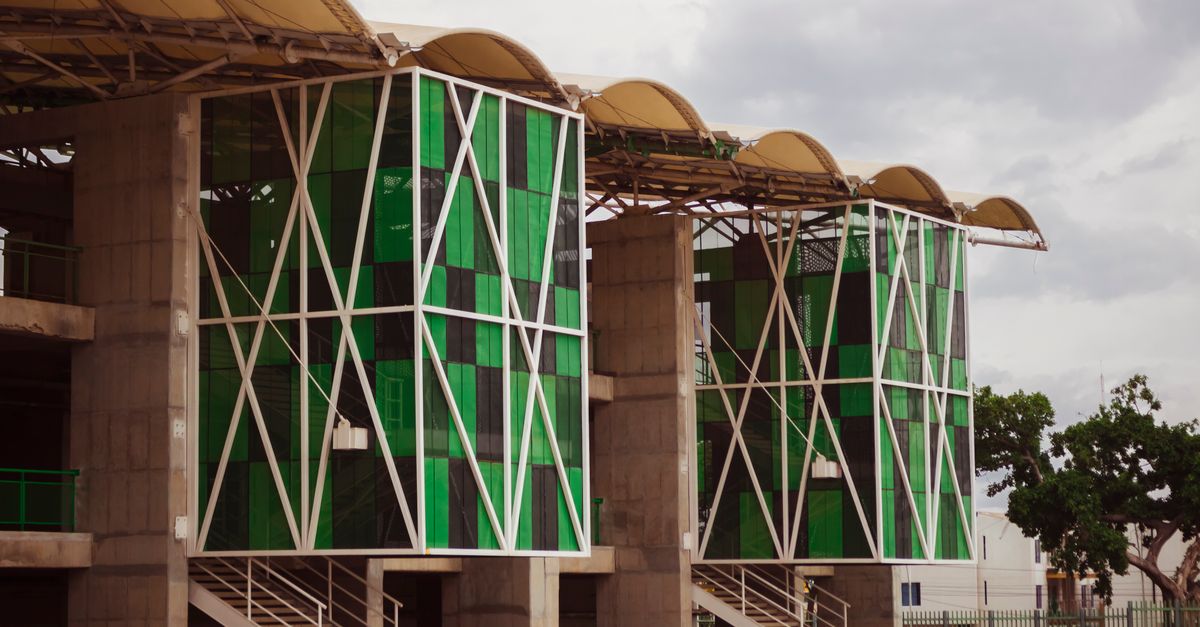
Why Is Downtown Celina About to Look Very Different?
For years, residents who have passed through the downtown square on Ohio Street have watched the surrounding blocks absorb wave after wave of Celina’s population growth — new storefronts, more foot traffic, busier festival nights. What has been harder to see is the civic infrastructure quietly being assembled to support that scale. That is about to become visible.
The City of Celina is advancing its Downtown Center development toward a winter 2026 completion, targeting an opening window that runs from December through February. The project carries a price tag of $93.5 million and, by any measure, represents the most ambitious single civic investment in the city’s recent history. Understanding what the development actually contains — and why each component was chosen — helps clarify what city planners are anticipating for Celina’s next chapter.
What Is Actually Being Built?
The Downtown Center is not a single building with a single purpose. It is a layered civic complex designed to consolidate services, create public gathering space, and address one of the more mundane but persistent complaints about a growing downtown: where to park.
The anchor of the project is a new public library measuring 26,209 square feet. To put that in context, that is a substantial facility for a city of Celina’s current size — one clearly sized not for the population that exists today but for the population arriving in the next decade. Libraries at this scale typically support expanded children’s programming rooms, dedicated teen spaces, quiet study areas, maker spaces or technology labs, and meeting rooms that community groups can reserve. The city has not yet detailed every interior feature, but the square footage alone signals a facility built for multi-generational, multi-use daily traffic.
Alongside the library, the development brings consolidated city offices into the downtown footprint. Relocating or centralizing municipal offices near the square puts city services within walking distance of the same blocks where residents already gather for events like the Celina Turkey Trot and Christmas on the Square. That proximity is a deliberate planning choice — it reinforces the downtown square as a true civic center rather than simply an event venue.
The parking component is a roughly 400-space garage. For anyone who has circled the blocks around Ohio Street on a busy Saturday evening, the significance of that number is self-evident. Surface parking in a compact historic downtown has a ceiling; a structured garage does not impose the same land-use tradeoffs and can serve both daily municipal visitors and weekend event crowds without consuming developable real estate at street level.
Perhaps the most distinctive element is the rooftop community space. Rooftop amenities in Texas municipal projects remain relatively uncommon, and their inclusion here suggests the city intends the Downtown Center to function as a destination rather than simply a service building. A rooftop space above the downtown square offers a vantage point and an event venue unlike anything else currently in Celina’s civic inventory.
Why Does the Library Component Matter Most?
Public libraries in rapidly growing suburban cities occupy an unusual position. They are often underfunded relative to population growth because they compete with more visible infrastructure needs — roads, water systems, fire stations. Celina recently held a Fire Station #1 open house, a reminder that the city is actively expanding its emergency services footprint as well. The commitment to a 26,209-square-foot library signals that civic amenities are being treated as infrastructure, not as optional additions.
For families relocating to Celina from other parts of North Texas or from out of state, a well-resourced library is frequently one of the first community institutions they seek out. It provides programming for young children during the week, homework and research resources for students in Celina ISD, and quiet working space for remote workers who need a change of environment. A library of this scale can also support cultural programming — author visits, film screenings, community lecture series — that contributes to the texture of daily life in ways that are difficult to replicate through private commercial development alone.
How Does This Fit Into the Broader Picture of Downtown?
Celina’s downtown square has already demonstrated that it can function as a genuine gathering place. Events consistently draw residents from across the city’s rapidly expanding residential footprint, including newer communities well beyond the historic core. The question civic planners face is whether the infrastructure surrounding the square can support the demands being placed on it.
The Downtown Center answers several of those demands at once. The parking garage removes a friction point that discourages casual visits. The library creates a reason to come downtown on an ordinary Tuesday, not just on a festival night. The rooftop space adds an event venue that the city currently lacks. And the consolidated city offices make the downtown square a functional administrative center, not just a ceremonial one.
The $93.5 million price point will inevitably invite scrutiny, as it should for any expenditure of that scale in a municipality. But the components being delivered — library, offices, structured parking, rooftop community space — address documented gaps rather than speculative amenities. Each piece has a clear constituency among Celina’s existing and arriving residents.
What Should Residents Watch For This Winter?
The project is targeting a December-through-February opening window, which means the first public access could come as early as next month or as late as late winter 2027. The city has not announced a formal ribbon-cutting date as of this writing, but the timing places the opening in the same season when downtown Celina is already drawing significant foot traffic for holiday events.
Residents who want to stay current on the project’s progress can monitor updates through the City of Celina, which serves as the official source for timelines and opening announcements. Given the scale of what is being delivered — and the years of planning and construction that have led to this point — the moment the doors open on that library will mark something genuinely significant for a city that has spent the better part of a decade building toward the community it is becoming.