What Does It Mean to Track a City That Never Stops Building?
Somewhere between a building permit being filed and a ribbon being cut, Celina residents often find themselves asking the same question: what is actually going up over there? It is a reasonable question in a city that has grown faster than most Texans — and most national observers — ever anticipated. The answer, for a growing number of residents, is Celina Watch.
The platform describes its own mission with unusual directness: no rumors, just data. It tracks permits, verifies construction sites, and confirms opening dates for new businesses and commercial developments across Celina. As of June 2026, the tracker covers more than 60 active developments scattered across the city, from the Preston Road commercial corridor to emerging projects near the Outer Loop.
That number — 60-plus active developments simultaneously — deserves a moment of reflection. It is not a cumulative count of everything built over a decade. It represents projects in motion right now, each at some stage of the pipeline between permit application and opening day.
Why Does a City Like Celina Need a Tool Like This?
The conventional explanation for growth trackers is transparency: residents deserve to know what is happening in their community. That is true, but it understates the practical difficulty of staying informed in a place developing at Celina’s pace.
Municipal permit databases exist, but they are designed for contractors and engineers, not curious neighbors. City council agendas and planning commission minutes record approvals, but they require regular attention and some fluency in zoning language to interpret. Local news — including community blogs like this one — covers notable projects, but cannot realistically document every commercial permit that clears the city’s desk in a given week.
Celina Watch occupies the gap between official city data and what a resident actually wants to know when they drive past a graded lot on Preston Road and see equipment staged at the edge. The interactive format means users can look up specific corridors or neighborhoods rather than reading through a document written for a different audience.
The Preston Road commercial corridor, which the tracker specifically identifies as a focus area, is arguably the most visible commercial spine in the city. New pad sites and retail strips along that stretch have been in near-constant development for several years. The Outer Loop, meanwhile, represents a newer frontier — infrastructure investments that tend to precede commercial density rather than follow it, which makes early tracking there particularly useful for residents trying to anticipate what their neighborhood will look like in two or three years.
What Does the Tracker Actually Show?
The core function is an interactive map or index of active developments, organized in a way that allows residents to assess the state of commercial growth without relying on secondhand accounts or speculation on neighborhood social media groups.
Each entry in the tracker is, by design, verified — meaning the development has a confirmed permit, a confirmed construction presence, or a confirmed opening date, rather than being based on a sign in a window or a rumor circulating online. In a fast-growing city, the distinction between “I heard something might go there” and “a permit has been filed and the slab is poured” is not a minor one. Businesses plan around it, property owners plan around it, and families making decisions about where to live often want to understand what commercial infrastructure will be available to them.
The scope of more than 60 active projects also reflects the breadth of commercial development underway. Celina’s growth has not been narrowly concentrated in one type of use. Retail, dining, services, and mixed-use projects have all been part of the development pattern, which means the tracker serves residents with a range of interests — someone looking for a new grocery option, a small business owner assessing the competitive landscape, or a parent trying to gauge how far their neighborhood will remain from everyday conveniences.
How Does This Fit Into Celina’s Broader Civic Landscape?
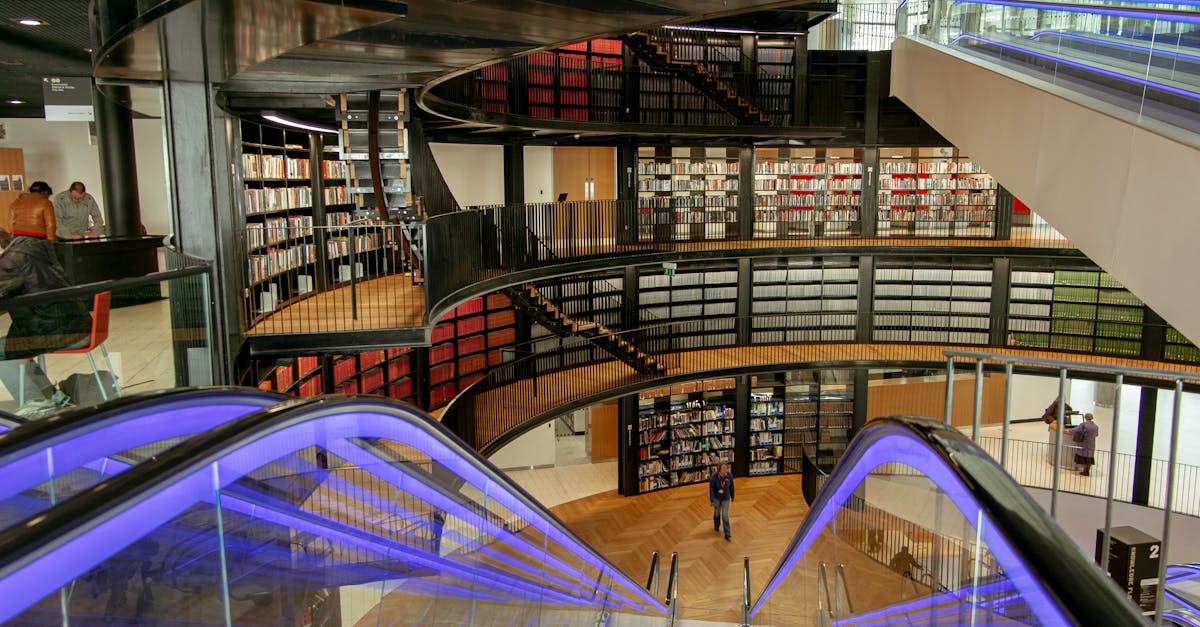
Celina Watch operates as an independent resource, but it complements the city’s own transparency infrastructure. The City of Celina maintains its own public-facing communications and event calendars, and the new 26,209-square-foot downtown library currently under construction — slated to open in winter 2026 — will itself become a physical resource for civic engagement and community programming. A city that invests in a library of that scale is signaling something about how it expects residents to interact with information.
Celina Watch reflects a parallel impulse: the belief that residents of a fast-growing city benefit from accessible, reliable data about how that growth is unfolding. Where the library will offer curated programming and collaborative spaces, the tracker offers a real-time window into the commercial dimension of city-building.
That combination — civic infrastructure investments alongside independent accountability tools — is part of what distinguishes a community managing its growth deliberately from one simply absorbing it.
What Does Sixty Active Projects Actually Signal?
It signals sustained momentum in a market that has shown no signs of pausing. Developers do not simultaneously stage more than 60 projects in a city unless the fundamentals — population growth, purchasing power, traffic counts — continue to justify the investment. For residents, that is both reassuring and worth monitoring closely.
The pace of commercial development has direct implications for quality of life: more local options for dining and services, but also more construction traffic, more site preparation noise, and more pressure on roads and infrastructure already absorbing rapid residential growth. Knowing what is coming, and roughly when, gives residents a more grounded basis for forming opinions about their city than the rumor cycle typically provides.
That, ultimately, is the case for a tool like Celina Watch: not that growth is inherently good or bad, but that informed residents make better neighbors, better voters, and better participants in the ongoing conversation about what Celina should become. Sixty active projects is a lot of that conversation happening simultaneously, mostly without public visibility. A tracker that surfaces it in a readable format is, in that sense, a civic contribution as much as a data product.